
Facts about the nature reserve

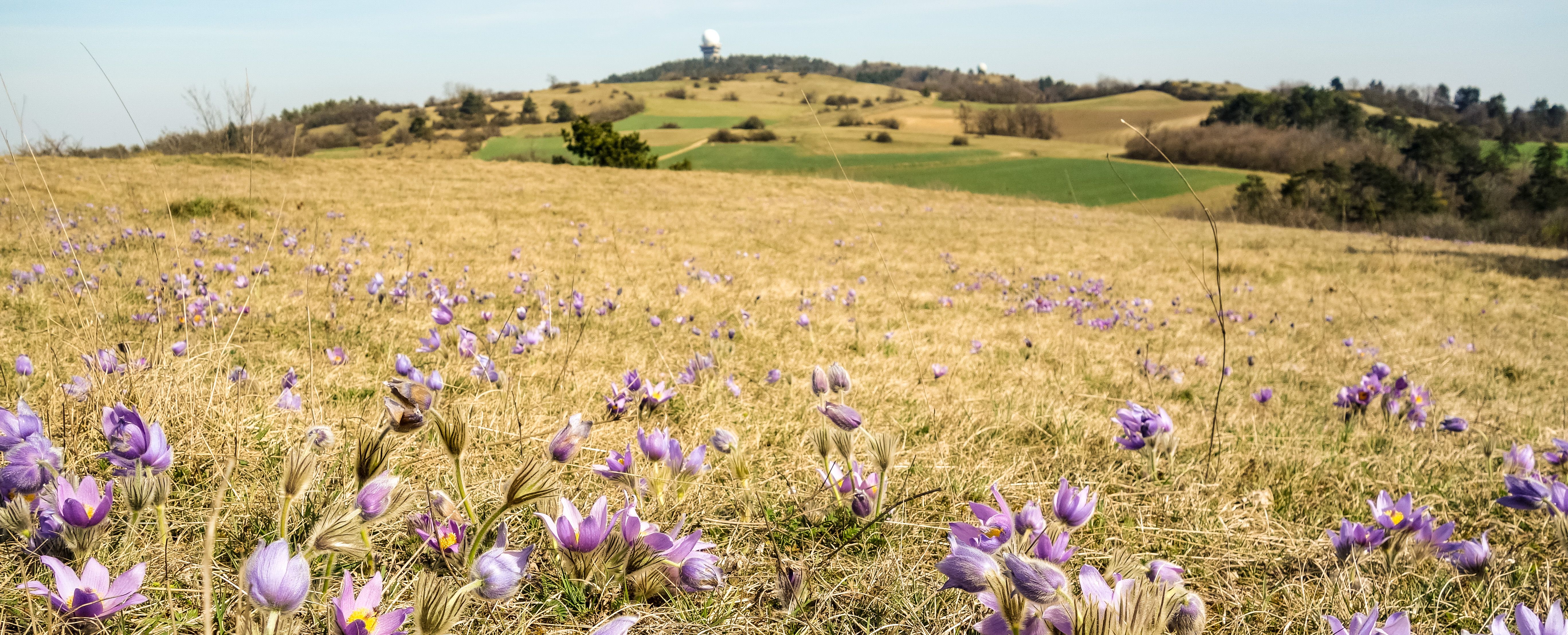
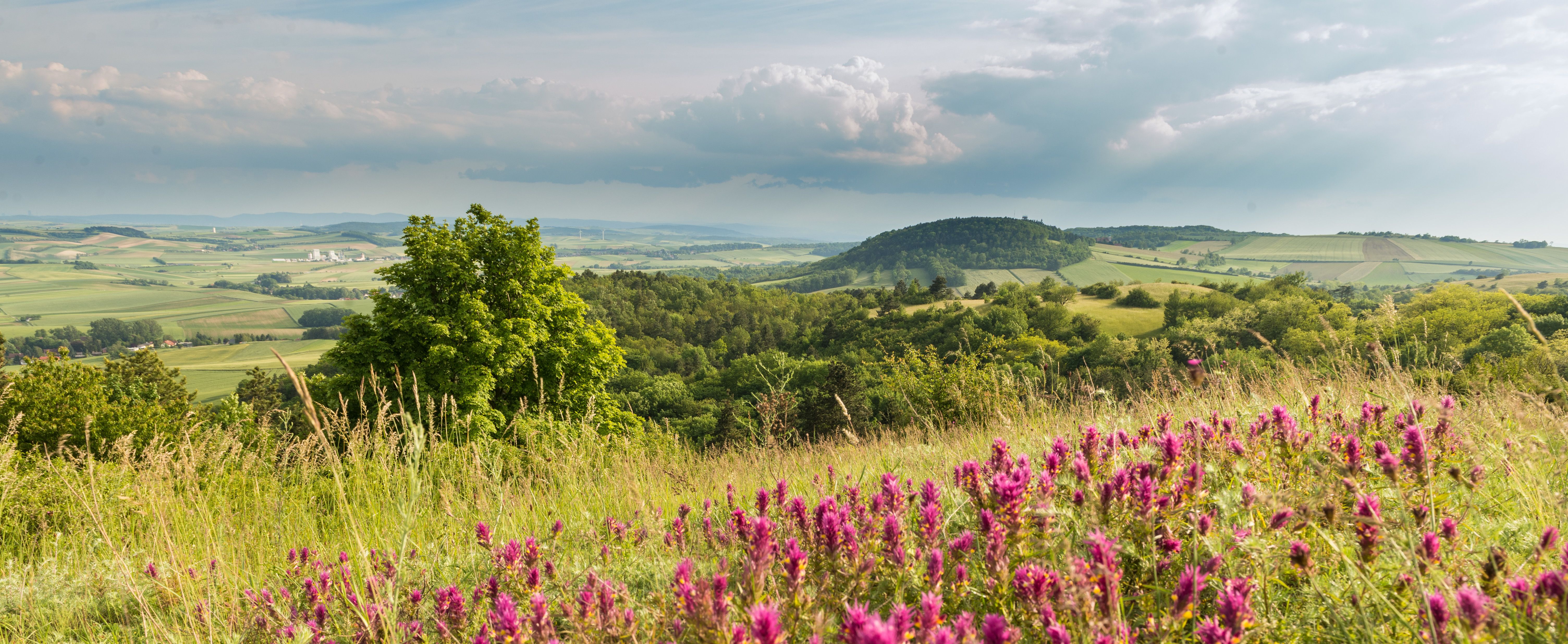
The Leiser Berge Nature Park is a unique natural and recreational area in the Weinviertel. The gently rolling hills, species-rich dry grasslands, juniper heaths and open woodlands characterise the landscape and provide a valuable habitat for numerous animal and plant species. At the same time, the nature park is a place for visitors and local people alike to explore, learn and relax.

Many aspects of the nature park can also be described in figures. They show just how diverse the landscape is, how rich the biodiversity is, and how strong the cooperation between the local communities is. Four selected figures provide a good insight into the Leiser Berge Nature Park and highlight some of its special features.
©Hans Gumpinger
  • 0
    Nature Park communities
  • 0
    bird species
  • 0
    species of insects
  • 0
    ha Nature Park Region
©Hans Gumpinger

5 nature park communities

The Leiser Berge Nature Park is supported by five local authorities: Asparn an der Zaya, Ernstbrunn, Gnadendorf, Ladendorf and Niederleis. Together, they form the foundation for the development and management of the nature park.

Cooperation between the municipalities is a central component of the nature park’s work. Projects in the fields of nature conservation, environmental education, sustainable tourism and regional development are implemented jointly. This close cooperation fosters a strong connection between nature, the local population and regional identity – an important contribution to a sustainable future for the nature park region.

©Ivanbuki, DSC 4637-12, CC BY-SA 4.0

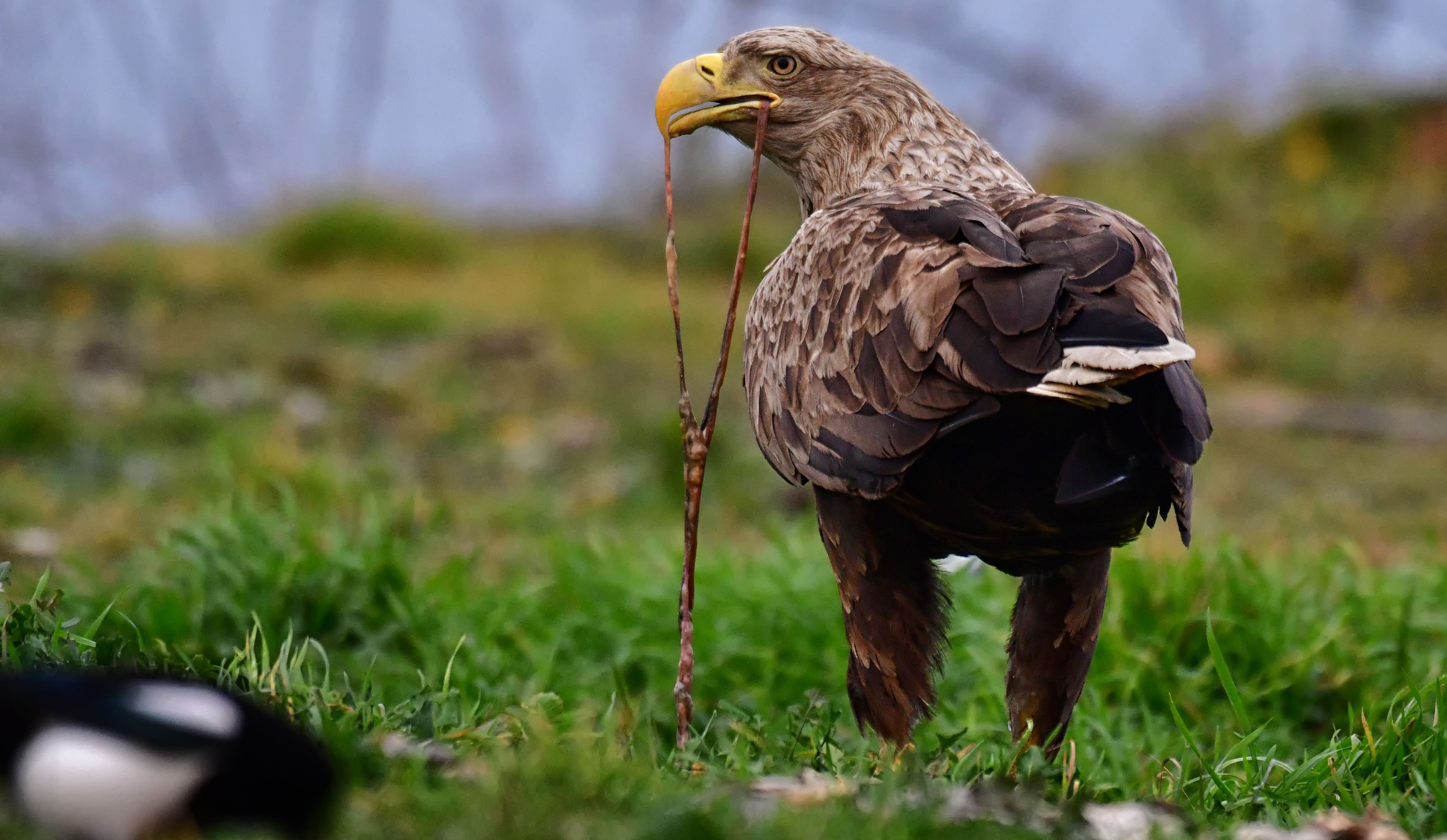
189 recorded bird species

With 189 recorded bird species, the Leiser Berge Nature Park is one of the most species-rich regions in Lower Austria. From the impressive white-tailed eagle to the tiny goldcrest, numerous species have already been observed here. This means that almost half of all bird species found in Austria are present in the nature park.

The diversity of habitats – ranging from open dry grasslands and structurally rich pastureland to forests and wetlands – creates ideal conditions for a variety of bird species. Some of these are rare or dependent on specific habitats. Through targeted management and conservation measures, the nature park helps to preserve these vital habitats and thereby safeguard the bird population in the long term.

©Hans Gumpinger

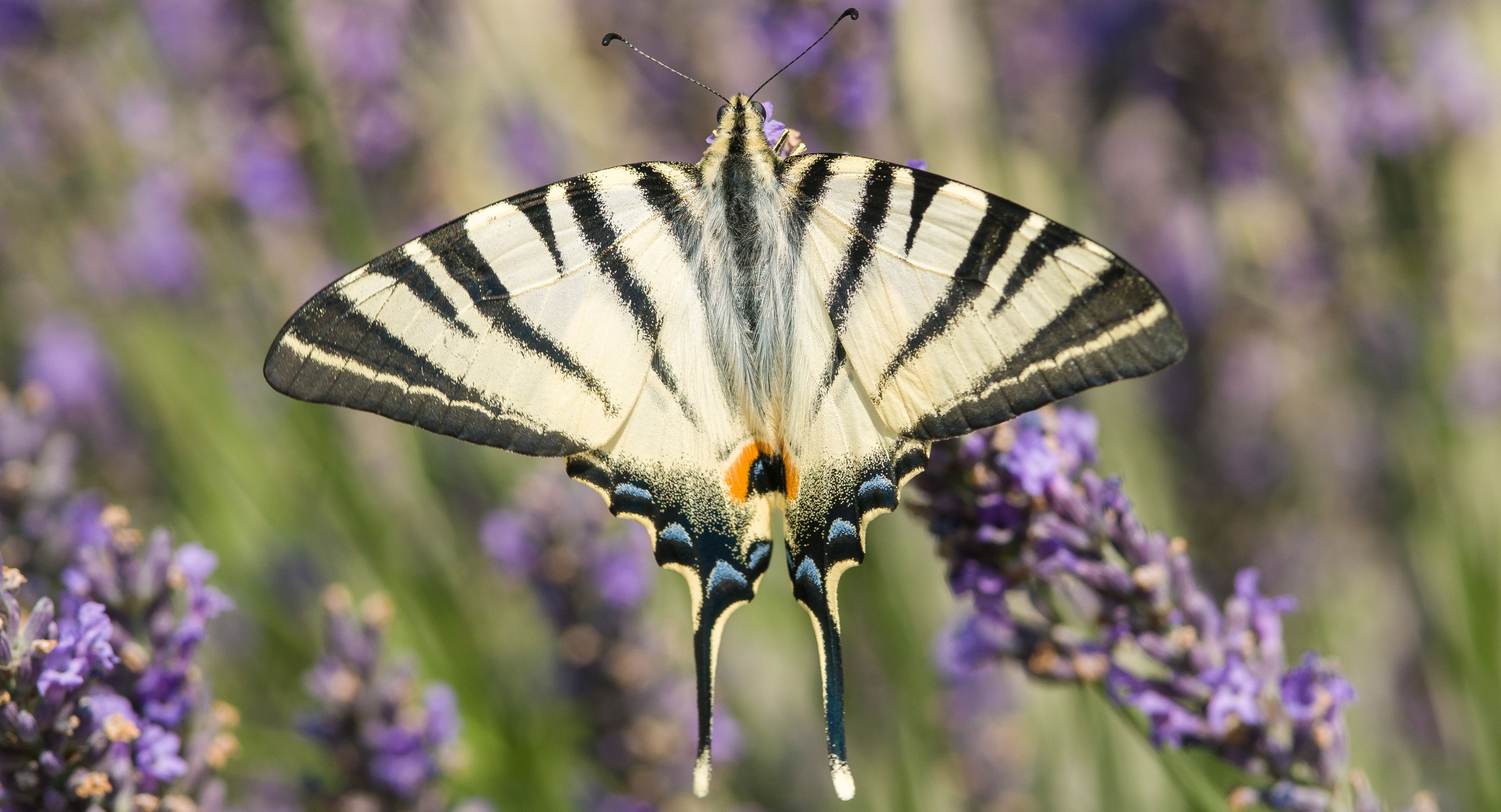
More than 1,500 species of insects and arthropods

Over 1,500 species of insects and other arthropods – including spiders, woodlice, and centipedes and millipedes – have been recorded to date in the Leiser Berge Nature Park. This impressive number of species demonstrates just how valuable the nature park’s habitats are for biodiversity.

The species-rich dry grasslands and juniper heaths in particular provide a habitat for numerous specialised species. Many of these animals depend on warm, open and structurally diverse landscapes. Through nature conservation measures such as grazing projects, the management of open spaces and scientific research, efforts are being made to preserve and further promote these sensitive habitats in the long term.

©Hans Gumpinger

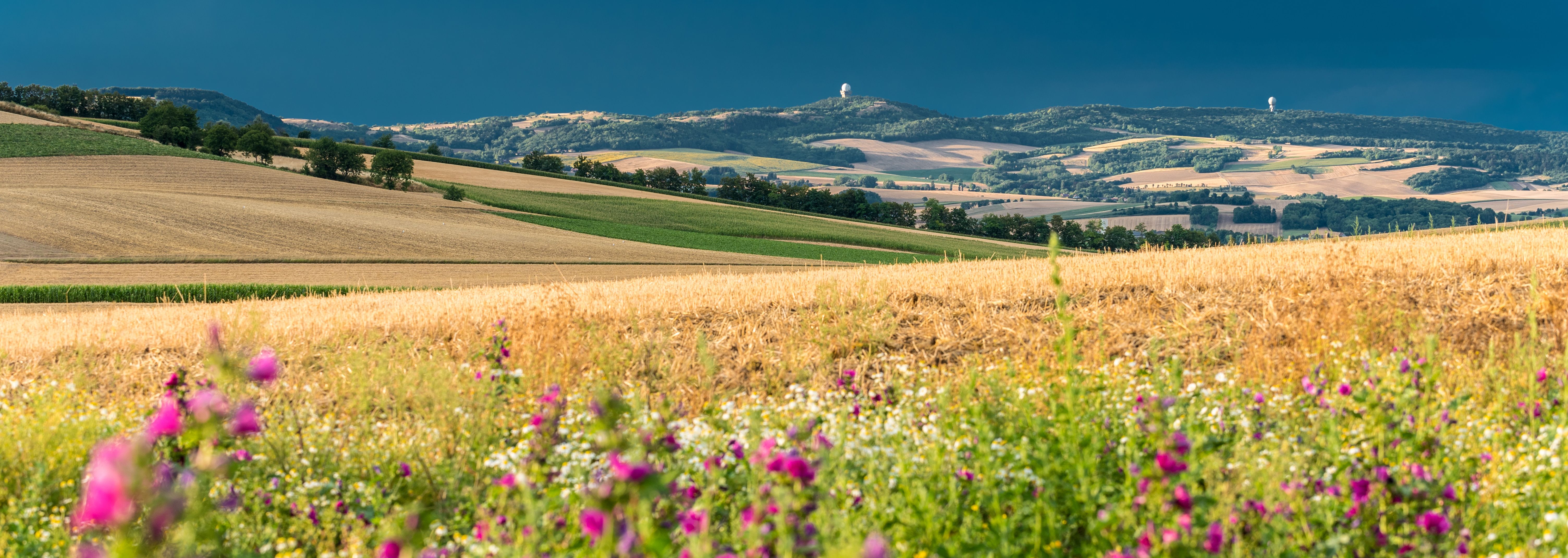
23,906 hectares of nature park area

The Leiser Berge Nature Park covers an area of around 23,906 hectares, making it a significant natural and recreational area in the Weinviertel. The region is characterised by its gently rolling hills, sweeping views and a wide variety of habitats. Dry grasslands, juniper heaths, sparse oak forests and agricultural landscapes combine to form a varied mosaic.

This landscape has been shaped over many centuries by human activity, particularly through extensive grazing and traditional agriculture. Today, the nature park is committed to preserving and further developing these valuable habitats. At the same time, the region offers numerous opportunities for experiencing nature, recreation and sustainable tourism.

The Leiser Berge Nature Park is also the only nature park in the entire Weinviertel region and thus plays a special role in nature and landscape conservation in the area.